
Precision into the new year: Why clean and accurate measurement decides projects
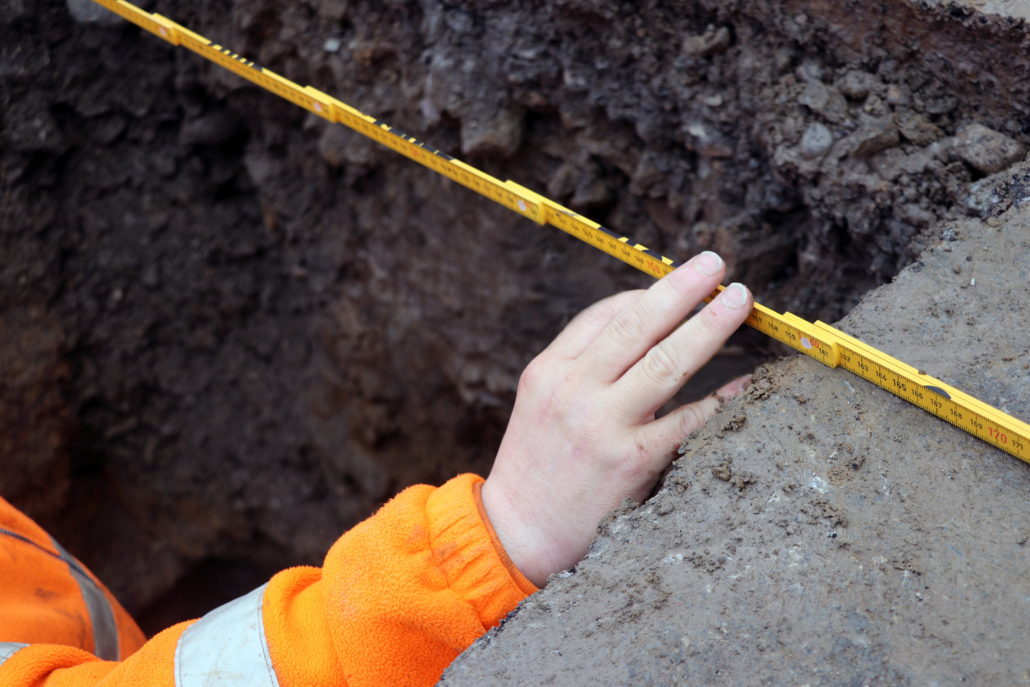
Accurate measurement is absolutely essential in every construction project.

The start of a new year is rarely quiet on construction sites. New projects, new teams, tight schedules. What is often underestimated is that the quality of the initial measurements determines the entire course of the project.
Accurate measurement saves time, money, and discussions.


Inaccurate measurements at the beginning can have repercussions throughout planning, cutting, and assembly. What initially seems like a minor measurement error can later lead to rework, material waste, or disputes on the construction site. Precision, therefore, is not a detail, but an economic factor.

Using a uniform scale is an important factor. For example, measurements should always be taken with the same model to avoid inaccurate measurement transfers.

If measurements differ by 1-2 centimeters, it can easily happen that slabs, tiles, and other materials are cut too short or too long. Construction workers speak from experience here. One person takes the measurement, the other transfers it with their measuring tape, and suddenly there are significant discrepancies.

It is important to ensure that uniform models from a single manufacturer are used. Cheap measuring tapes without CE marking should be avoided. Old, swollen, or stretched-out double measuring tapes are also no longer usable.

To minimize significant differences between measurements taken by different workers on a project, folding rules of the same model and manufacturer should be used uniformly by the team.

anreissen LongLife Doppelmeter

Professional tools make the difference


Professional teams therefore rely on clear measurement routines and reliable tools. Accurate measurements lead to more structured work, reduce corrections, and save time. This is especially true in the early project phase, when the foundations are being laid.
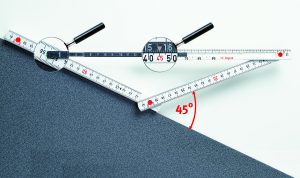
Working precisely with LongLife


The beginning of the year is the ideal time to review standards. What tools are used? How are measurements taken? And who is responsible for precision?


Measurement quality is a process, not a matter of chance. Early accuracy saves costs later. Standards create efficiency.